Built on decades of Western blotting expertise
From pioneering ECL detection to supporting today's best practices in protein analysis, we help researchers achieve reliable, reproducible results.

In research, you know reliable protein analysis is key to identifying molecular targets, quantifying expression, and uncovering tomorrow’s big breakthroughs.
Along with a complete workflow, we offer Western blotting training, education, and troubleshooting tools to help you avoid common pitfalls, minimize variability, and deliver data you can trust.

The first time and every time, get consistent Western blot performance with a standardized, scalable workflow.
From pioneering ECL detection to supporting today's best practices in protein analysis, we help researchers achieve reliable, reproducible results.
Enhance protein stability, reduce background noise, and improve resolution through careful sample preparation.
Select the appropriate gel percentage and use a stacking gel to achieve tight, well-resolved protein bands during electrophoresis.
Choose between wet or semi-dry transfer methods and between PVDF or nitrocellulose membranes, but keep in mind that other factors like buffer composition and electric field strength also influence blotting success.
Block to prevent nonspecific binding of primary and secondary antibodies.
Optimize the concentration and incubation time for the primary antibody.
Select a secondary antibody conjugated to either a chemiluminescent or fluorescent detection molecule. Stripping and reprobing your membrane enables reuse of the blot to detect additional proteins.
Western blotting imaging options include x-ray film, CCD cameras, or laser scanners, depending on the detection method used.
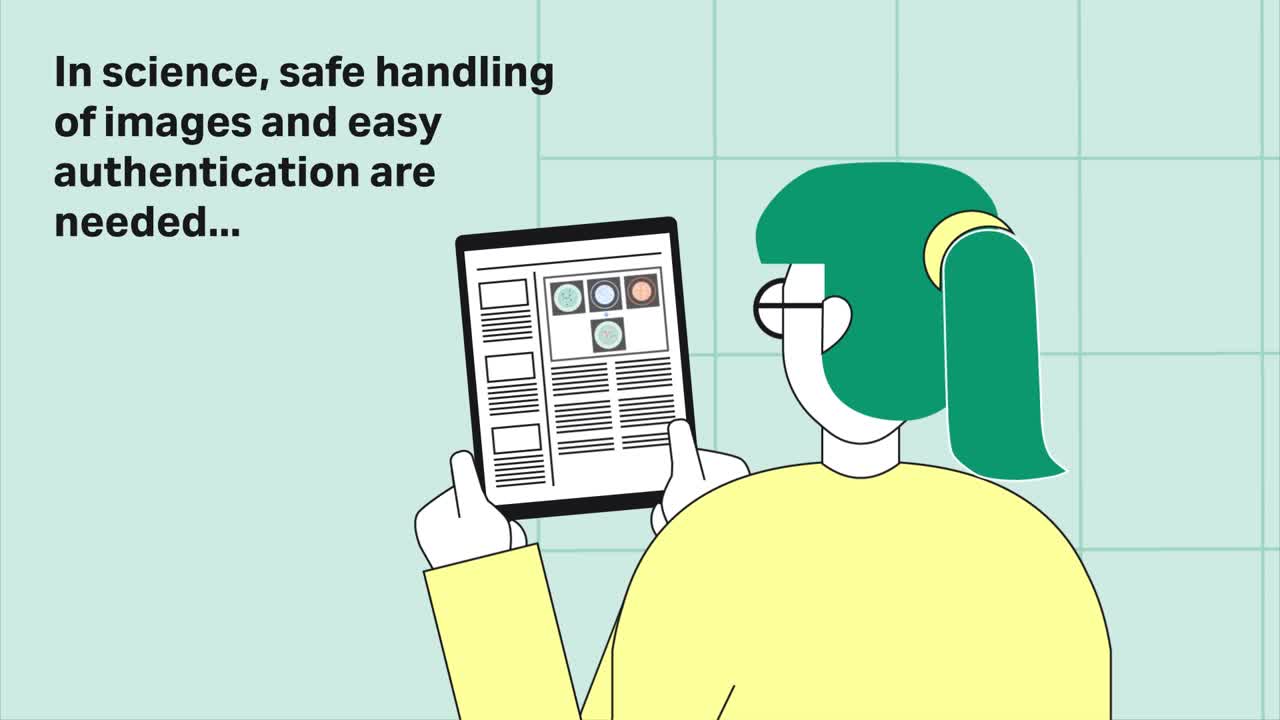
You need to know that your raw image data is authentic and intact.
Our imaging systems, analysis software, and image integrity checker software help you verify image authenticity, confirm which files are original, and support paper submission with a report you can attach.
Alongside the software, we provide educational resources that help you strengthen image handling practices and support scientific integrity.
Download this comprehensive Western blotting handbook packed with information, protocols, tips, and tricks.
Optimize your blotsDive into imaging solutions, their advantages and limitations, and how to choose the right one for your lab.
Advance your imagingReview 2D electrophoresis methods for analyzing complex protein mixtures, with tips and tricks for effective sample prep.
Master 2D prepBrowse our free online courses on Western blotting that cover tips and troubleshooting, total protein normalization, and imaging.
Start learning
