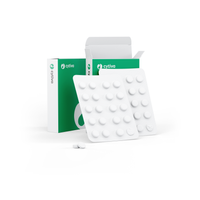
Stripping is the process of removing antibodies from a developed Western blot membrane while leaving the immobilized proteins attached. Reprobing involves incubating the same membrane with a new antibody combination to detect additional protein targets. Together, these steps allow multiple analyses to be performed on a single membrane.
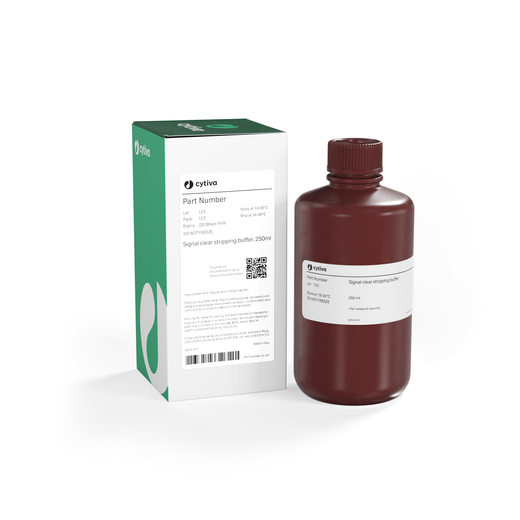
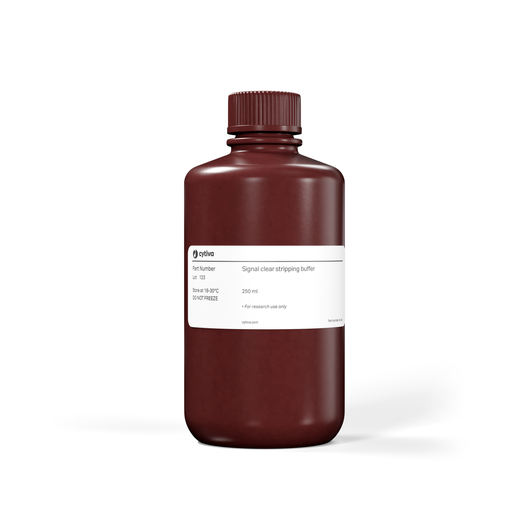
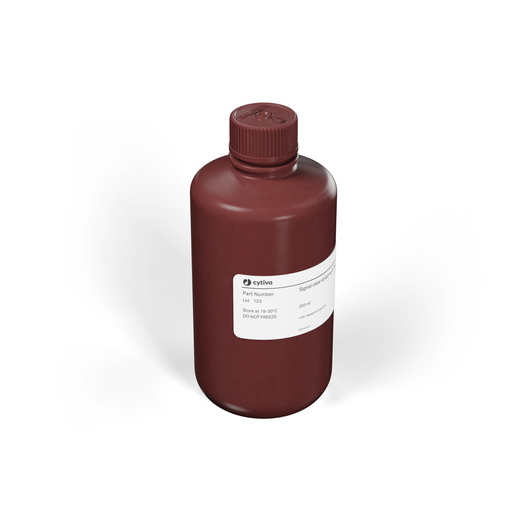
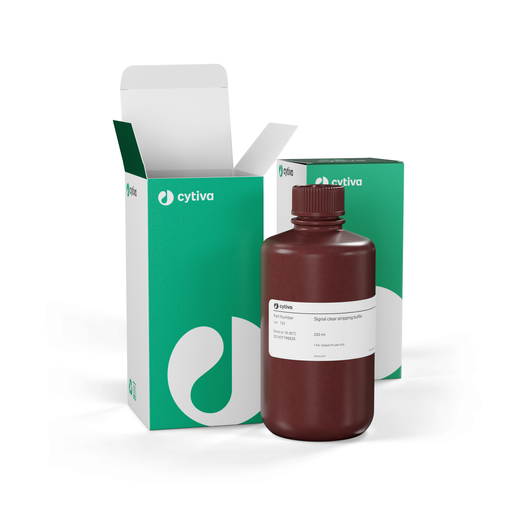
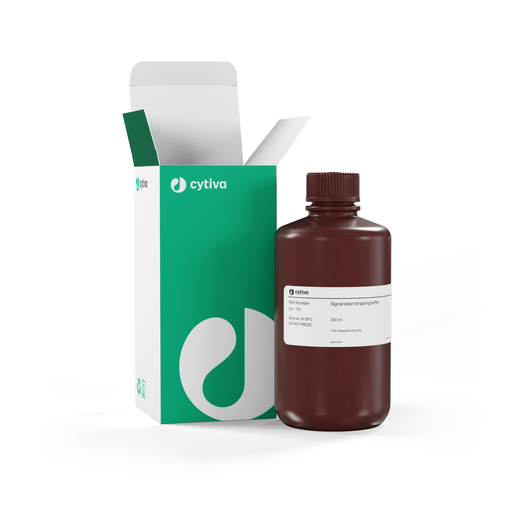
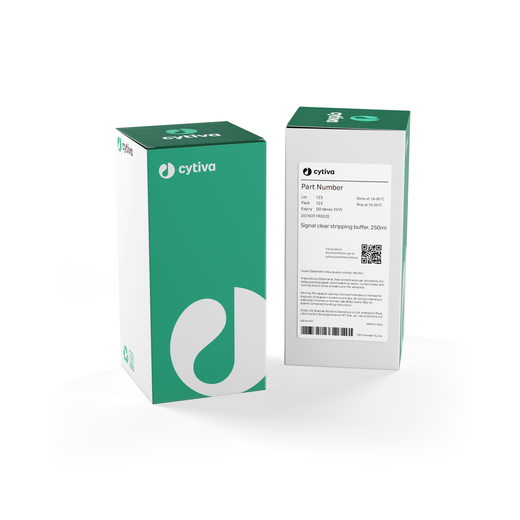
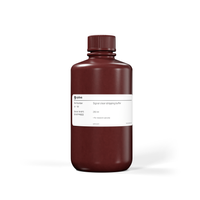
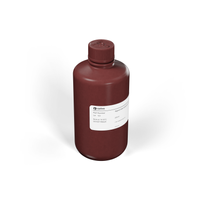
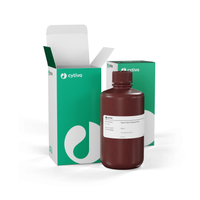
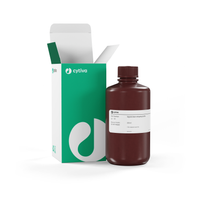
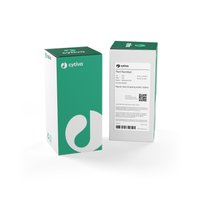
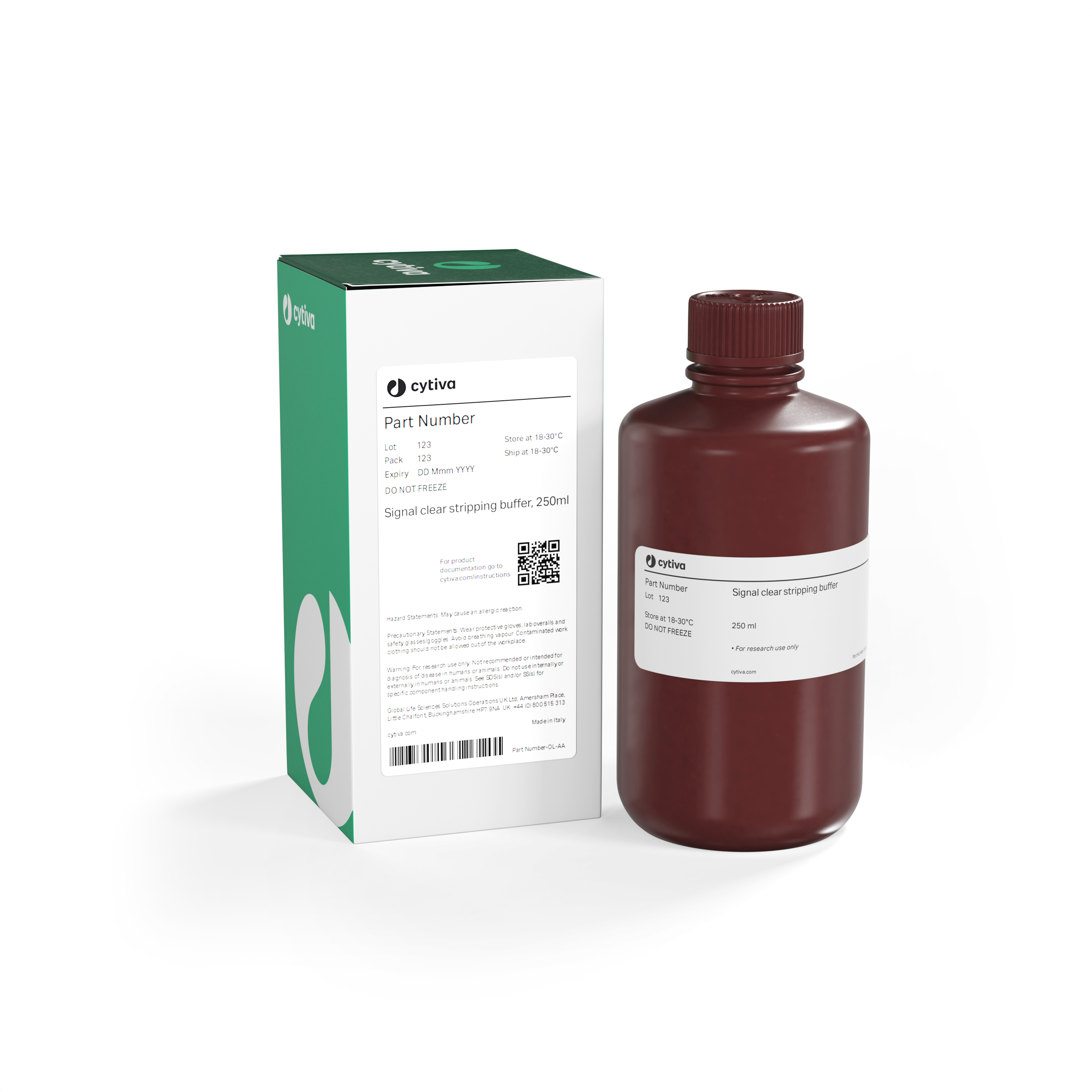
Signal clear stripping buffer
Ready-to-use stripping buffer for Western blot membranes that removes antibodies while preserving immobilized proteins for reliable stripping and reprobing.
Signal Clear Stripping Buffer
RPN2238
In stock–50 available
Orders placed before 2:00 PM on a business day are typically dispatched that same day via Cytiva courier
Price includes standard shipping and handling
Overview
When multiple protein targets need to be analyzed from a single Western blot, stripping and reprobing enables additional data without having to repeat the full experiment. Following enhanced chemiluminescence (ECL) detection, Signal clear stripping buffer removes bound primary and secondary antibodies while preserving proteins immobilized on the membrane. The membrane can then be reprobed with a new antibody combination for subsequent detection.
By enabling multiple rounds of analysis from a single membrane, Signal clear stripping buffer helps conserve precious samples, reduce experimental workload, and maximize the amount of data generated from every western blot.
- Ready-to-use formulation: No heating, mixing, or handling of harsh chemicals required.
- Complete antibody removal: Efficiently removes both primary and secondary antibodies at room temperature
- Preserves bound proteins: The optimized formulation removes antibodies while preserving immobilized proteins, enabling at least four rounds of stripping and reprobing from a single membrane.
- No reblocking required: Following stripping, the membranes can be reprobed directly without an additional blocking step, reducing workflow time by up to 2 hours per membrane.
- Odorless formulation: The β-mercaptoethanol-free formulation is odorless and suitable for shared laboratory environments, eliminating the need for a fume hood during stripping.
- Maximize data from valuable samples: Generate multiple datasets from a single membrane while conserving limited or difficult-to-obtain samples, including primary patient biopsies, rare cell lines, and other precious research materials.
Stripping efficiency
Rather than repeating the entire Western blot workflow, stripping allows membranes to be reprobed with a different antibody combination, generating additional data from a single experiment. Effective stripping requires two outcomes: efficient removal of bound primary and secondary antibodies while preserving immobilized proteins for subsequent detection.
To assess stripping efficiency, membranes initially probed for GAPDH were treated with Signal clear stripping buffer and evaluated for residual antibody signal prior to reprobing. As shown in Figure 1, stripping reduced residual signal to less than 0.1% of the original band intensity (Fig. 1B), indicating near-quantitative removal of the antibody complex. Reprobing of the same membrane produced a signal comparable to the initial detection (Fig. 1C), demonstrating preservation of the immobilized protein and epitope accessibility.
Fig 1. Western blot images showing (A) initial probing for GAPDH, (B) post-stripping secondary antibody-only reprobe confirming near-complete antibody removal, (C) full reprobe with primary and secondary antibodies. All blots were detected using Easy tab ECL prime tablets and the Amersham™ ImageQuant™ 800 Western blot imaging system.
Reprobing performance
A key requirement of a stripping buffer is maintaining antigen integrity through repeated stripping and reprobing cycles. To evaluate reprobing performance, a membrane containing a two-fold serial dilution of A-431 cell lysate was subjected to four sequential strip-and-reprobe cycles using Signal clear stripping buffer.
As shown in Fig 2, each reprobe reproduced the expected GAPDH dilution series with comparable band intensity and no visible degradation of the signal across cycles. These results demonstrate effective antibody removal while preserving immobilized protein and epitope accessibility, enabling reliable detection through at least four rounds of stripping and reprobing. By supporting multiple analyses on a single membrane, Signal clear stripping buffer helps maximize data generation while reducing sample consumption, reagent use, and the need for repeat experiments.
Fig 2. GAPDH detection in a two-fold serial dilution of A-431 cell lysate following four sequential strip-and-reprobe cycles on the same membrane. Comparable band intensity was maintained across all cycles and dilution levels, indicating efficient antibody removal and preservation of the immobilized target protein.
Membrane compatibility
Signal clear stripping buffer has been tested and validated on both NC and PVDF membranes, including Amersham Protran™ NC and PVDF membranes. Excellent stripping efficiency and protein preservation were confirmed on both membrane types.
Product specifications
Showing 1 products
Specs
Product
Availability
Price
RPN2238
In stock50 available
Product availability is not guaranteed and subject to change.