

Process intensification (PI) in biopharma aims to cut costs, increase output, improve agility, and reduce environmental impact. Companies are adopting tools such as higher cell density cultures, continuous processing, and single-use systems, but progress has been slower than expected. Fully continuous end-to-end processes are still uncommon due to complexity and the cost of reconfiguring facilities. Even so, PI remains attractive: shifting to single-use, closed systems can reduce facility size by about 50% and cut water and energy use by up to 80%. Overall, strong incentives—lower capital expenditures (CapEx) and operating costs, faster turnaround, higher throughput, and better sustainability—continue to drive stepwise adoption.
Amid the push for process intensification, filtration is often neglected. Nearly every bioprocess uses filters for steps such as ultrafiltration/diafiltration (UF/DF) or sterile filtration, yet filtration rarely gets attention unless something goes wrong. Small issues—choosing a filter that retains too much product or fouls early—can quietly reduce your product yield or slow your throughput. The upside: optimizing filtration can boost performance across the workflow. When chosen carefully, filters can deliver small gains that add up, making filtration an unsung but essential contributor to successful intensification.
Filtration’s direct role in intensification
Filtration doesn’t just “keep up” with intensification – in some cases, it drives it.
In perfusion cultures, filtration is what makes continuous processing possible. Cell retention solutions such as hollow fibers in alternating or tangential flow filtration (TFF) mode keep cells in the bioreactor while letting product flow out, enabling weeks-long runs at very high cell densities. This can generate outputs—such as > 100 million cells/mL and over 1 g/L of antibody per day at large scale—that would otherwise require a much larger fed-batch system. Because the filters continuously separate cells, they support all major PI benefits: smaller reactors for the same output, continuous product generation, flexible campaign lengths, and lower resource use through single-use operation. One aspect that’s often overlooked is evaluation. If you’re looking to maximize your productivity and perfusion performance, it’s worthwhile to take the time to evaluate processing parameters and hollow fiber cartridge selection.
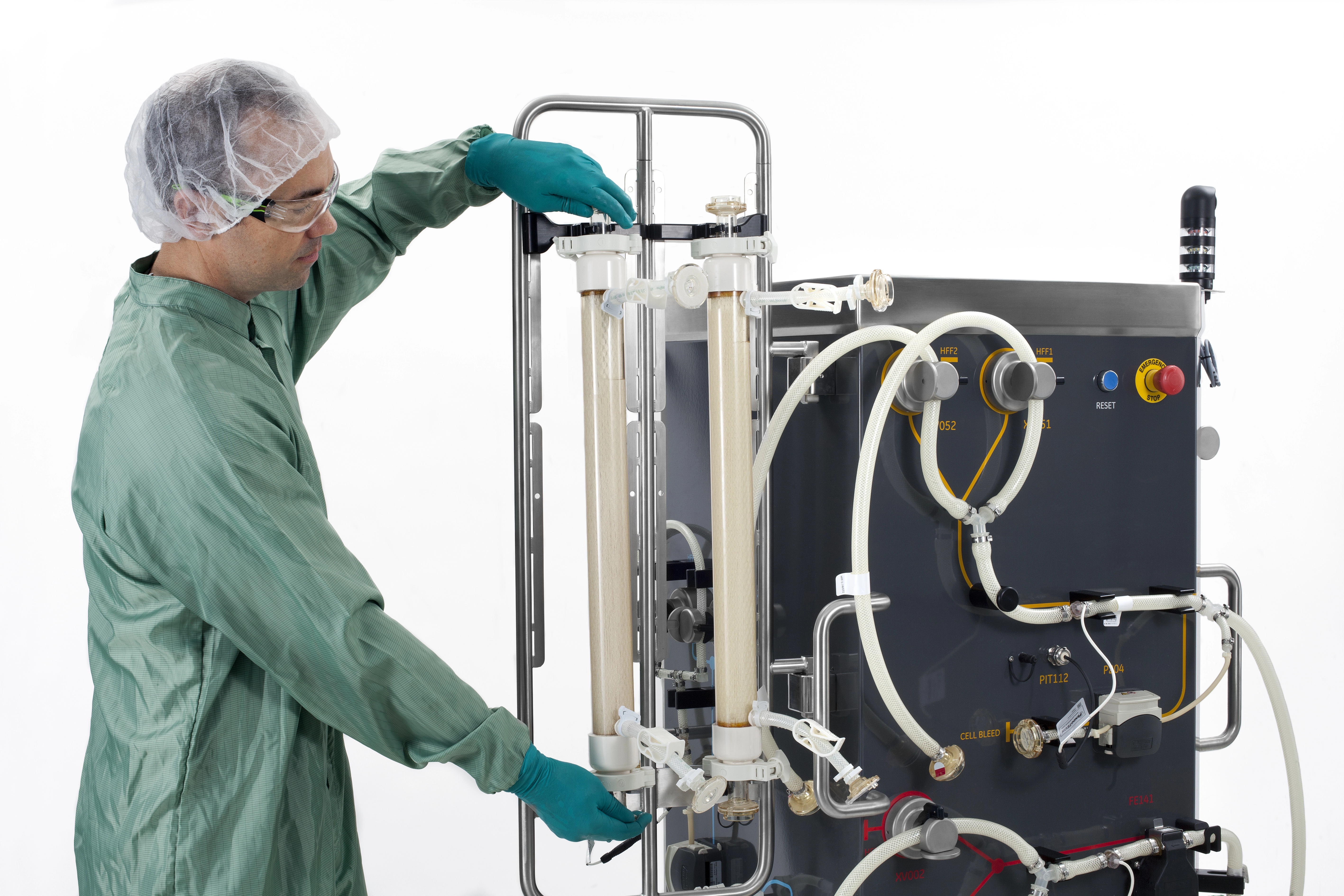
Fig 1. Xcellerex™ automated perfusion system with hollow fiber cartridge installation.
Single-pass TFF (SPTFF) concentrates or diafilters product in one go without the need for recirculation or hold tanks. SPTFF supports continuous processing in several ways. It’s commonly used to replace traditional TFF in formulation for UF/DF. But an SPTFF module can also be placed directly inline—such as after a polishing or virus filtration step—to concentrate eluate on the fly and eliminate an intermediate hold. What isn’t as well-known is how valuable the technology can be in batch manufacturing. For example, using SPTFF prior to the capture chromatography step can reduce the volume substantially. This then allows downsizing of that step, which saves on consumable costs and can reduce the footprint.
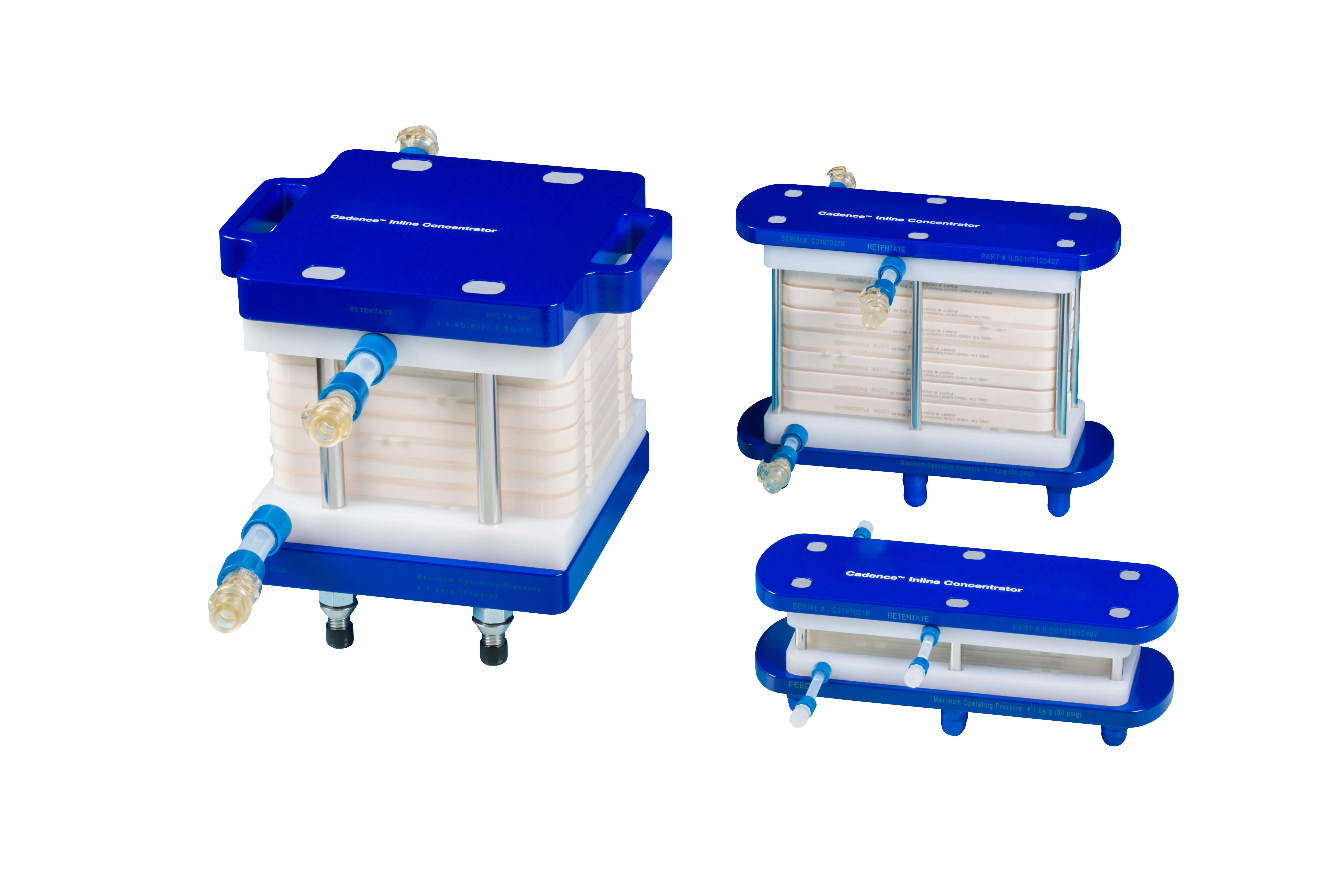
Fig 2. Cadence™ inline concentrator modules for inline concentration.
These examples illustrate a broader point: filtration isn’t just a supporting player in PI but often a key enabler. Technologies like cell-retention filters and single-pass ultrafiltration were developed precisely to overcome traditional process limits (batch duration, intermediate hold-ups); by using them, companies have achieved multi-fold improvements in productivity and significant cost savings. When planning intensification, it pays to ask: “Can an innovative filter or membrane solution remove a bottleneck here?” Often, the answer is yes.
Intensification brings new filtration challenges
Intensifying a process often pushes filters to handle more extreme conditions. It’s critical to anticipate these challenges so you can select filters that meet them. Common issues include:
- Higher titers in fed-batch processes can create much “dirtier” feeds with more cells and debris, which can quickly foul standard depth filters. The fix is to use higher capacity media or multistage filtration to handle the heavier solids load. This prevents clarification from becoming a bottleneck and avoids using oversized filters. In short, as upstream output intensifies, clarification capacity must intensify. too.
- Higher product concentration makes fluids more viscous, causing slow flow and reduced filter capacity of sterilizing-grade filters. Next-generation membranes with asymmetric pores and low fouling materials can roughly double throughput on viscous feeds, keeping flow rates reasonable and reducing the number of filter cartridges needed. The takeaway: as viscosity rises with intensification, choose filters designed to handle it.
- As processes intensify, filters run closer to their limits, so any failure becomes more disruptive –especially in continuous operations where a clog can force a shutdown. To prevent issues, choose filters with built in safety margins, tested under worst case conditions, and use prefilters or redundancies where needed. Presterilized single use formats also reduce risks from cleaning and help avoid cross contamination in multiproduct facilities. In short, intensification raises the stakes, so filtration choices must be robust.
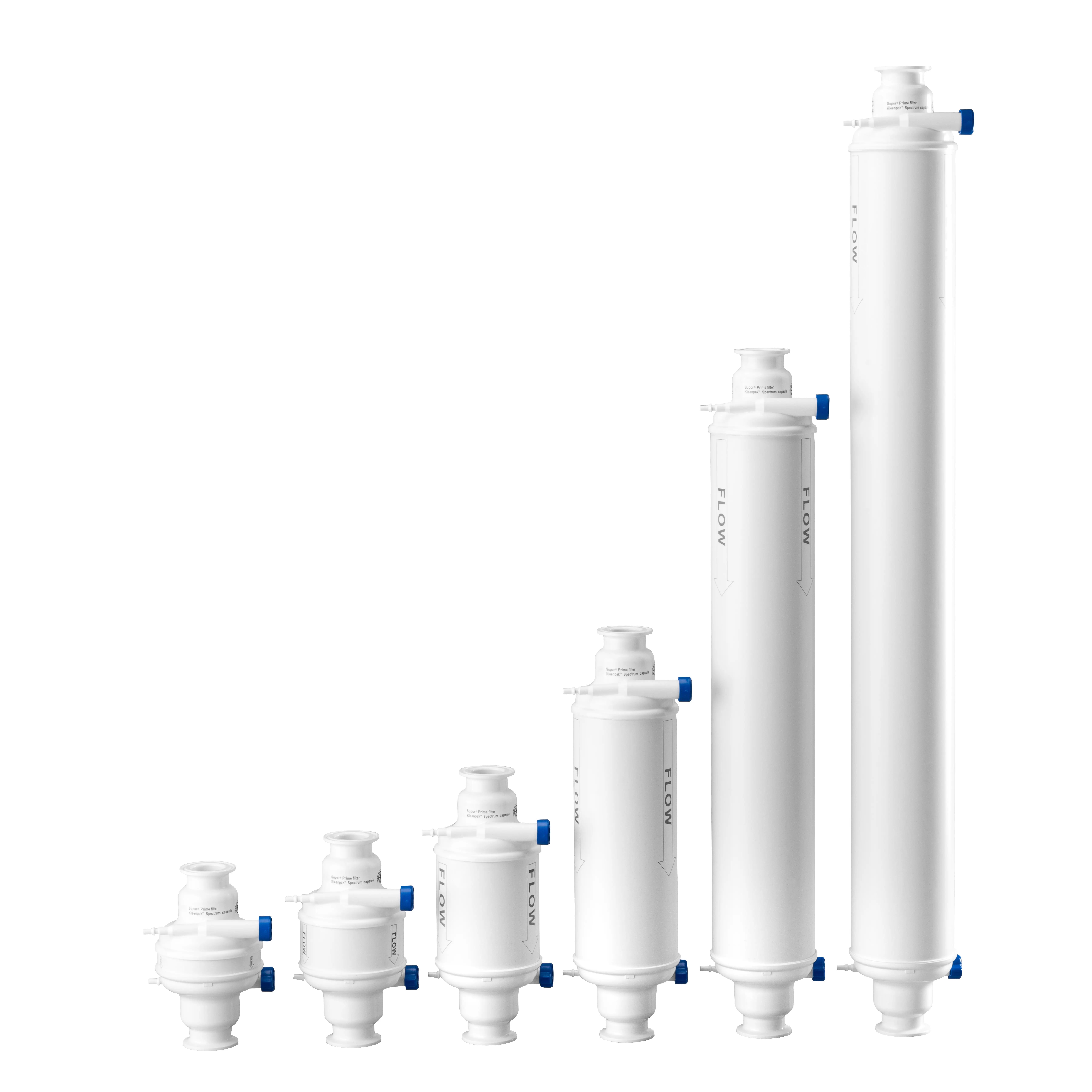
Fig 3. Supor™ Prime filters optimized for high concentration mAb applications.
By recognizing these challenges in advance, you can adapt your filtration strategy (e.g., using a specific high-capacity virus filter for continuous downstream processes) so that filtration remains a strong link, not the weak link, in your intensified process.
Get support to select the right filters
To get the best filtration setup for an intensified process, don’t work in isolation – tap into your in-house experts or suppliers that have this expertise. A quick bench test or spec sheet can mislead, so evaluate filters against real process conditions: actual feed, expected titers, and full-scale throughput needs. Vendors can run small trials and compare options to show which filter handles your material with the best capacity or lowest fouling. This data-driven approach prevents optimizing one step at the expense of overall efficiency. Many teams find that a short vendor-assisted study early in development avoids major scaleup issues later. In short, treat filtration as a core design choice and get expert help – the right filter supports cost, speed, output, and sustainability goals.
Every filtration step, from harvest to filling, can either strengthen or weaken an intensified process. By proactively choosing filters and designing filtration steps to align with your PI goals, you can reduce costs (smaller equipment, fewer disposables), maximize productivity (no filter bottlenecks or big losses), enhance agility (rapid, no-clean changeovers, integrated operations), and improve sustainability (less energy, water, and waste). Filtration isn’t the flashiest part of bioprocessing, but it’s a pivotal enabler when intensifying development and manufacturing. In the drive to intensify, don’t forget filtration – optimizing this often-neglected area might be the key to unlocking your process’s full potential.
Learn more about innovative filtration solutions from Cytiva.
CY57708-16Feb26-AR