Cellulose filter papers
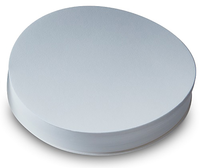
Cellulose filter papers for general filtration, offering particle retention down to 2.5 µm.














Frequently asked questions
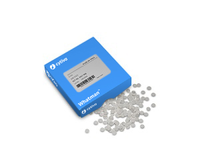
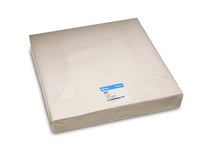
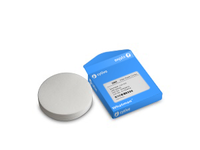
Whatman™ cellulose filter papers are laboratory filters made from high quality cotton linters. These cellulose filters are used for qualitative and quantitative analytical techniques.
Cellulose filter papers, such as Whatman grades, typically retain particles ranging from 2 µm to 25 µm. For example, Grade 1 retains around 11 µm, while Grade 5 can retain particles as small as 2.5 µm, which makes them suitable for various qualitative filtration tasks in labs.
To choose the right cellulose filter paper for your lab application, consider the following:
- Particle retention: Select a grade based on the particle size you need to retain.
- Flow rate: Faster flow papers for large volumes, slower ones offer finer filtration.
- Application type: Use qualitative papers for general filtration and quantitative papers for gravimetric analysis or ash testing.
- Chemical compatibility: Make sure the paper can withstand the solvents or reagents used in your procedure.
Cellulose filter papers are generally single use due to their low durability and potential for contamination after filtration. Reusing them can compromise filtration accuracy and sterility, especially in microbiology or analytical applications.
The main difference between cellulose filter papers and other lab filter papers lies in their material composition and application suitability:
- Cellulose filter papers (like Whatman qualitative grades) are made from pure cellulose and are ideal for general filtration, such as separating solids from liquids in chemical analysis. They offer moderate particle retention (2-25 µm) and are typically single use.
- Other filter papers such as glass microfiber, quartz, or synthetic polymer membranes are designed for specialized tasks like high-temperature filtration, microbiological testing, or trace analysis. These materials offer finer retention, higher chemical resistance, or thermal stability depending on the application.