Magnetic beads for nucleic acids and proteins
Superparamagnetic particles to isolate and purify nucleic acids and proteins for next-generation sequencing and more.

Frequently asked questions
What is the purpose of magnetic beads?
Magnetic beads offer significant advantages in nucleic acid isolation. They stand out for their speed and scalability compared to spin columns. The process involves four simple steps: lyse, bind, wash, and elute. This sets magnetic beads apart from other methods that may require different protocols for different samples and involve complex equipment and hands-on time.
The versatility of magnetic beads is remarkable, as they are available in a wide range of surface chemistries for various applications. They greatly simplify sample preparation, size selection, and library preparation across diverse workflows. This ease-of-use promotes consistency between different users and laboratories, which can be challenging with alternative methods. Moreover, magnetic beads are compatible with automation, further enhancing efficiency.
Magnetic beads are well-suited for a range of applications, including sample preparation for next-generation sequencing (NGS) and PCR-based techniques. They can handle samples with low DNA amounts, such as liquid biopsies containing circulating cell-free DNA (cfDNA), thanks to their high binding capacity. Embracing magnetic bead technology can significantly enhance the efficiency and effectiveness of nucleic acid isolation workflows.
What are Sera-Mag beads?
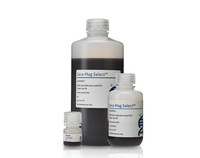
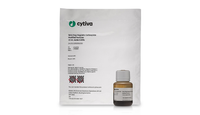
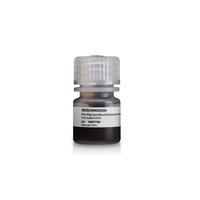
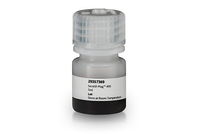
Sera-Mag magnetic beads are highly efficient superparamagnetic particles designed for a wide range of applications such as nucleic acid extraction and cleanup, protein purification, immunoprecipitation, and pulldown experiments. These beads are available in multiple chemistries, including carboxyl, streptavidin, oligo (dT), and amine-blocked, providing versatility for different experimental needs. With a diameter as small as 1 μm, Sera-Mag beads offer precise and efficient magnetic separation for various research purposes.
What is the function of magnetic beads in DNA and RNA extraction?
The nucleic acid extraction process begins with the input sample. First, the lysis buffer, proteinase K, and magnetic beads are added to the sample, followed by an incubation period of three minutes or longer, depending on the sample type. During this incubation, the magnetic beads capture the RNA and DNA.
After the incubation, a magnetic force is applied to the tube, causing the beads to gather on one side, allowing the liquid to be easily removed. This step ensures that the RNA and DNA bound to the beads remain captured in the tube. Subsequently, a series of wash steps are performed. The appropriate liquids are added, mixed with the beads, and then the beads are pulled to one side of the tube again to remove the wash solution, leaving the RNA and DNA bound to the beads.
The beads are air-dried briefly, and then an elution buffer is added. This elution buffer releases the DNA and RNA from the beads. By magnetically pulling the beads to the side of the tube, the sample containing the desired RNA or DNA can be aspirated, separating it from the beads.
This process ensures efficient capture and extraction of the RNA or DNA of interest using magnetic beads, simplifying the workflow and facilitating the isolation process.